OUR WORK: JUSTICE IN ACTION
Since 2022, we have mobilized by sharing letters, testimonials, and public comments urging the EPA to adopt the strongest health-protective clean air standards. Through powerful videos and social media explainers, we spotlighted urgent realities and community-driven solutions, making clear this is a matter of life and death. From across the country, people joined us to #DaretoBreathe, fueling a movement that helped secure stronger federal clean air and climate protections that reinforce the vital work happening on the ground.
Now, as we face the greatest environmental and health rollbacks of the last 50 years, we are pushing back to protect what we fought for and to hold the line. We will clean our air, and we need your help to make it happen.
ISSUE AREAS
AIR POLLUTION
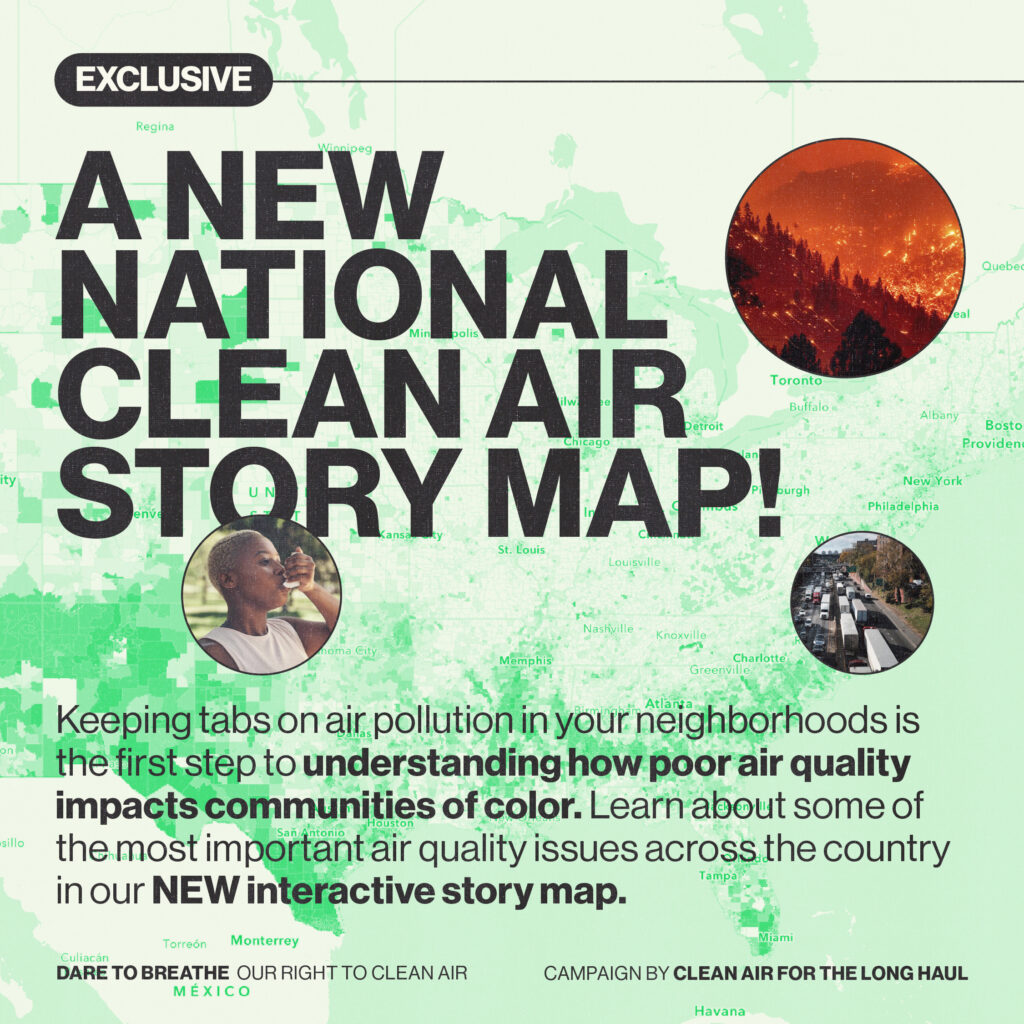
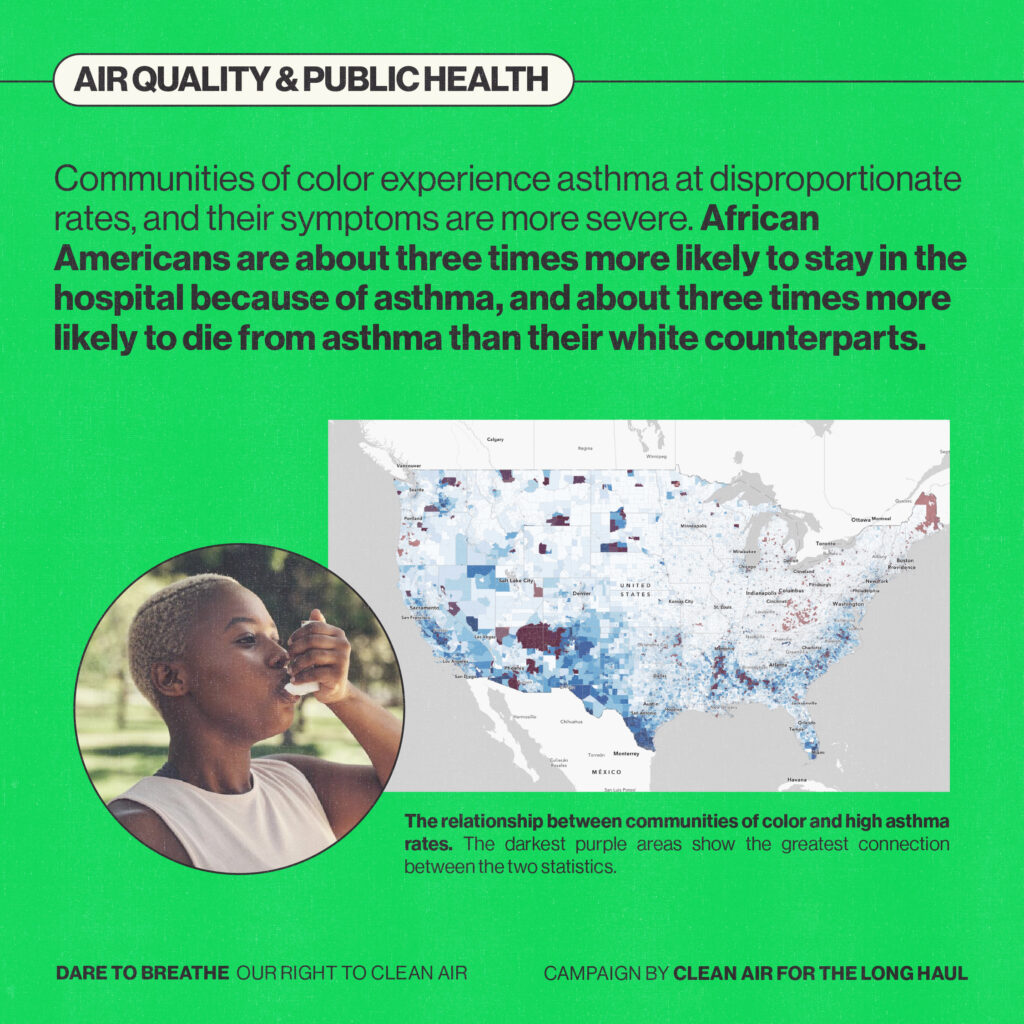
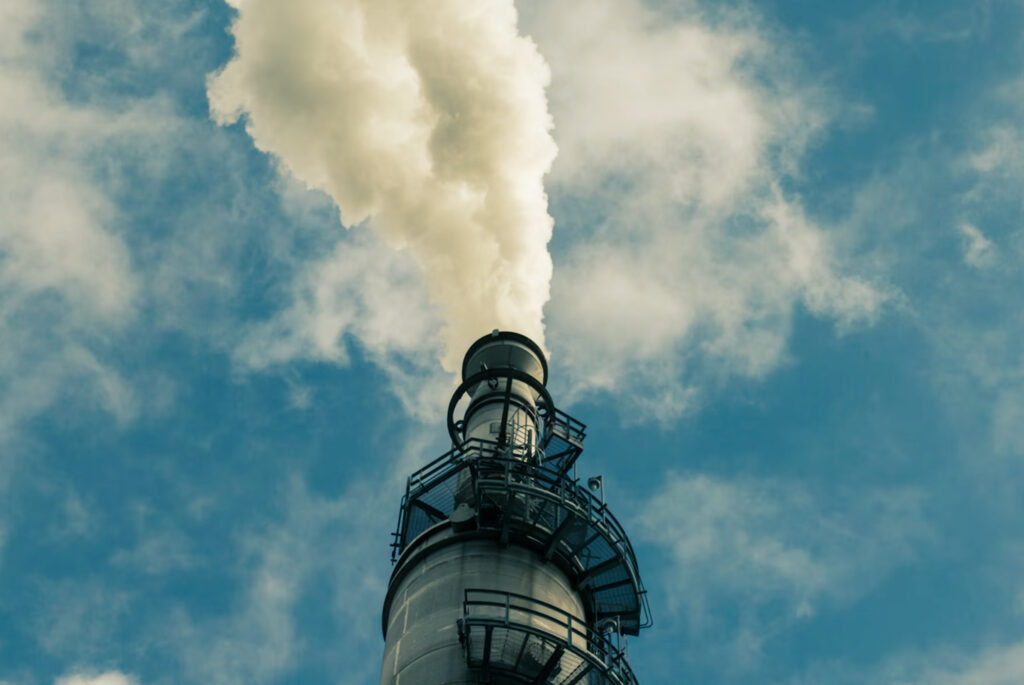
Air pollution – like soot and nitrogen oxides – comes from many sources and harms human health and the environment. Indigenous, low-income, and people of color face the greatest exposure to air pollution leading to elevated health risks, including asthma, heart conditions, cancer, and premature death. This is due to systemic inequities, such as discriminatory policies, lack of access to health care and resources, and the escalating climate crisis. To clean our air and ensure the most vulnerable and hardest-hit communities are seen, heard, and protected, we advocate for strong EPA regulations under the Clean Air Act that cut air pollution from major sources like power plants and transportation, improve public health, and advance environmental justice. LA
CLIMATE CHANGE
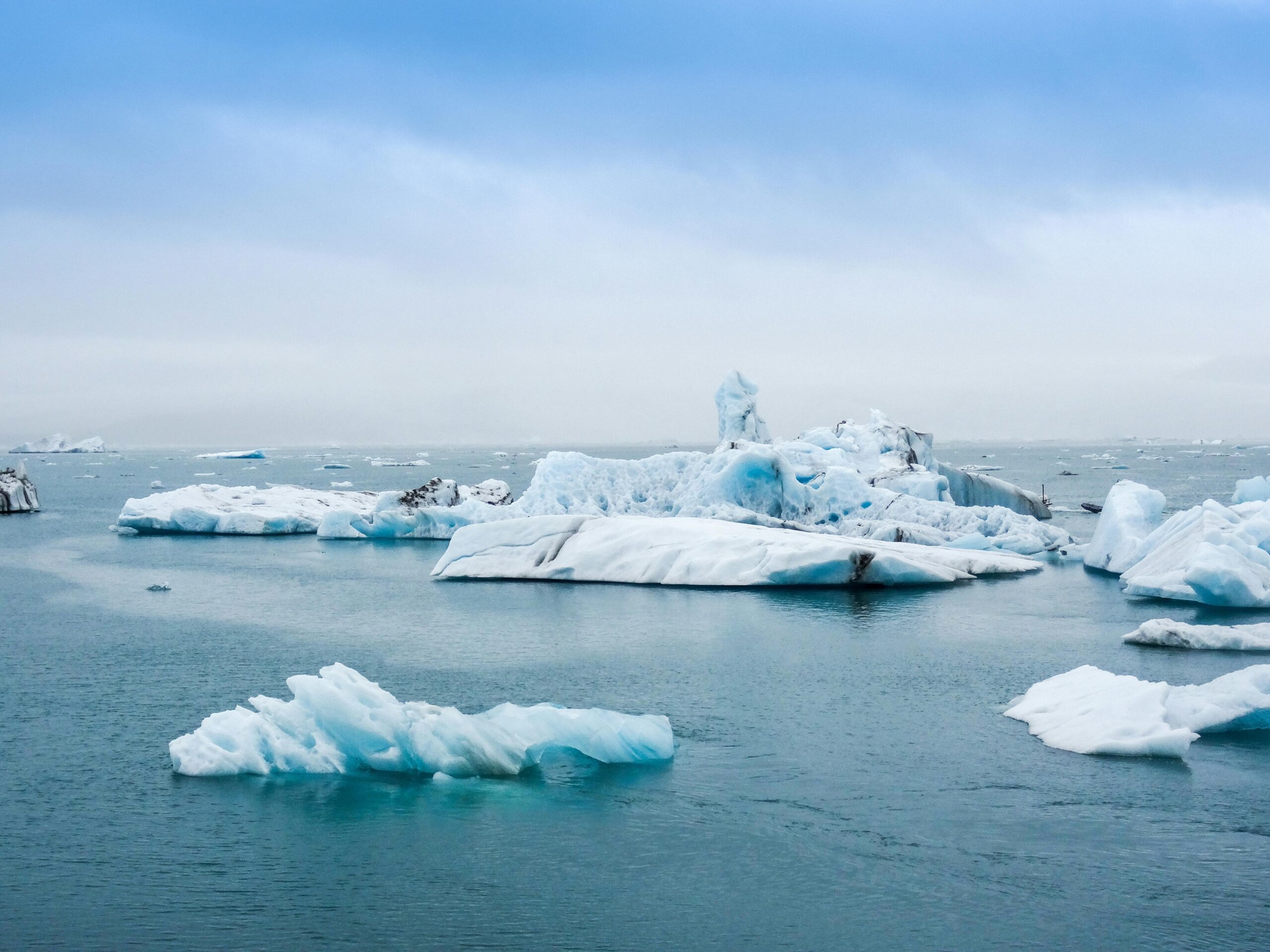
Climate change is the greatest existential threat of our time. The science is clear: heat-trapping greenhouse gases like carbon dioxide and methane are causing irreversible changes to the earth’s climate. Each year, billion-dollar weather disasters fueled by climate pollution, including floods, wildfires, and heatwaves grow more deadly, costly, and claim thousands of lives and livelihoods. Communities of color and low-income are often hit first and worst from climate-driven disasters, often with fewer resources to cope and recover. Climate change also worsens air pollution and deepens socio-economic and health disparities. Together, we are calling on the EPA to tackle these crises and protect our communities by regulating both climate and air pollution, now under threat from the current administration.
ENVIRONMENTAL JUSTICE
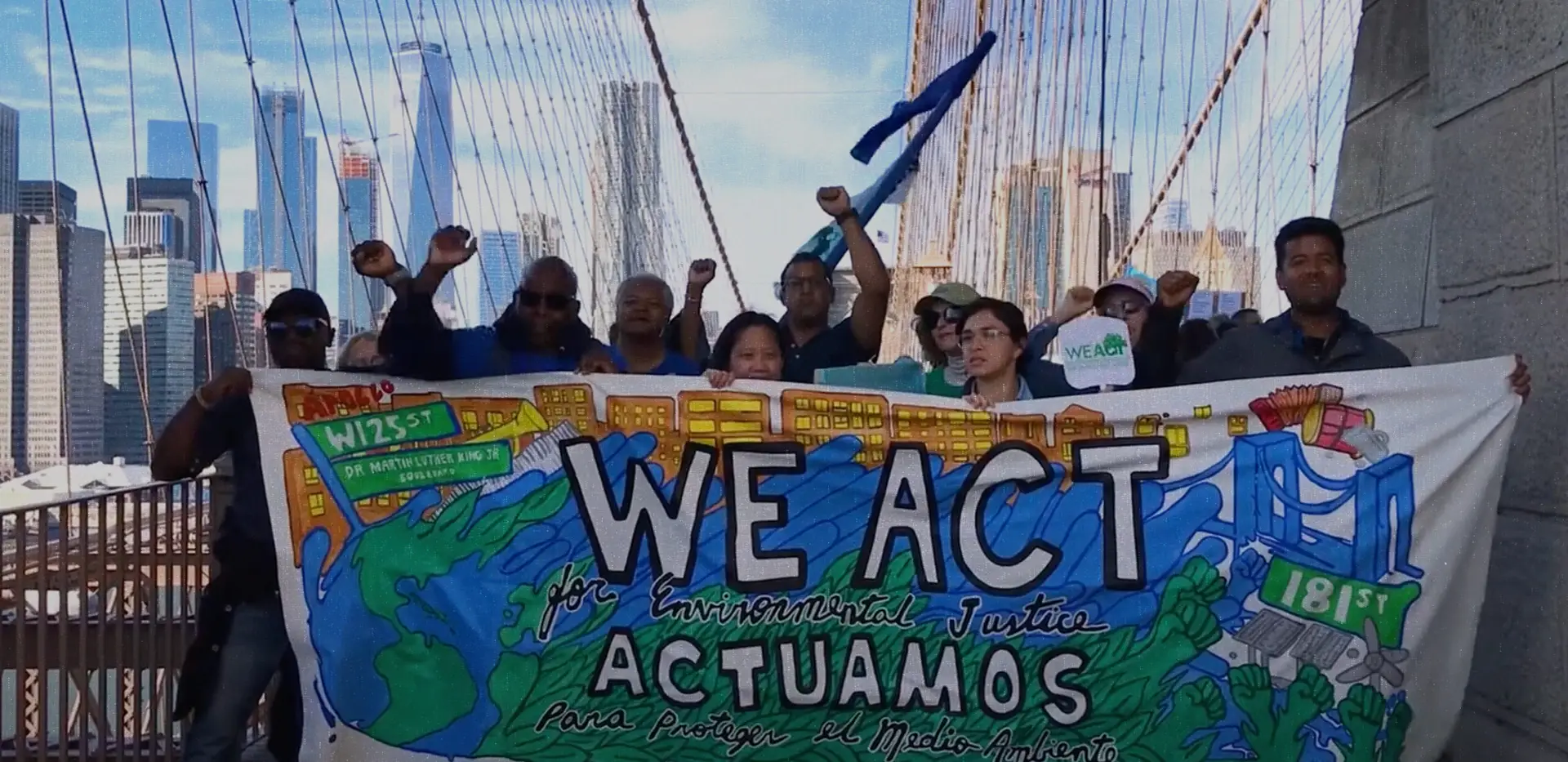
Environmental justice means ensuring that all people—regardless of race, income, or background—have the right to clean air and a safe and healthy environment. Yet, for decades, Indigenous, low-income, and communities of color have faced the worst air pollution from all major sources such as power plants, highways, and industrial sites. Climate change impacts like extreme heat, wildfires, and floods compound health risks and exacerbate inequities. These overlapping crises are rooted in systemic racism and discriminatory policies. That’s why we fight for strong, enforceable protections from the EPA and other agencies that reduce pollution, hold polluters accountable, and ensure overburdened environmental justice communities are prioritized and empowered to shape policies that safeguard their health and future.
Sources & Impacts
VEHICLES
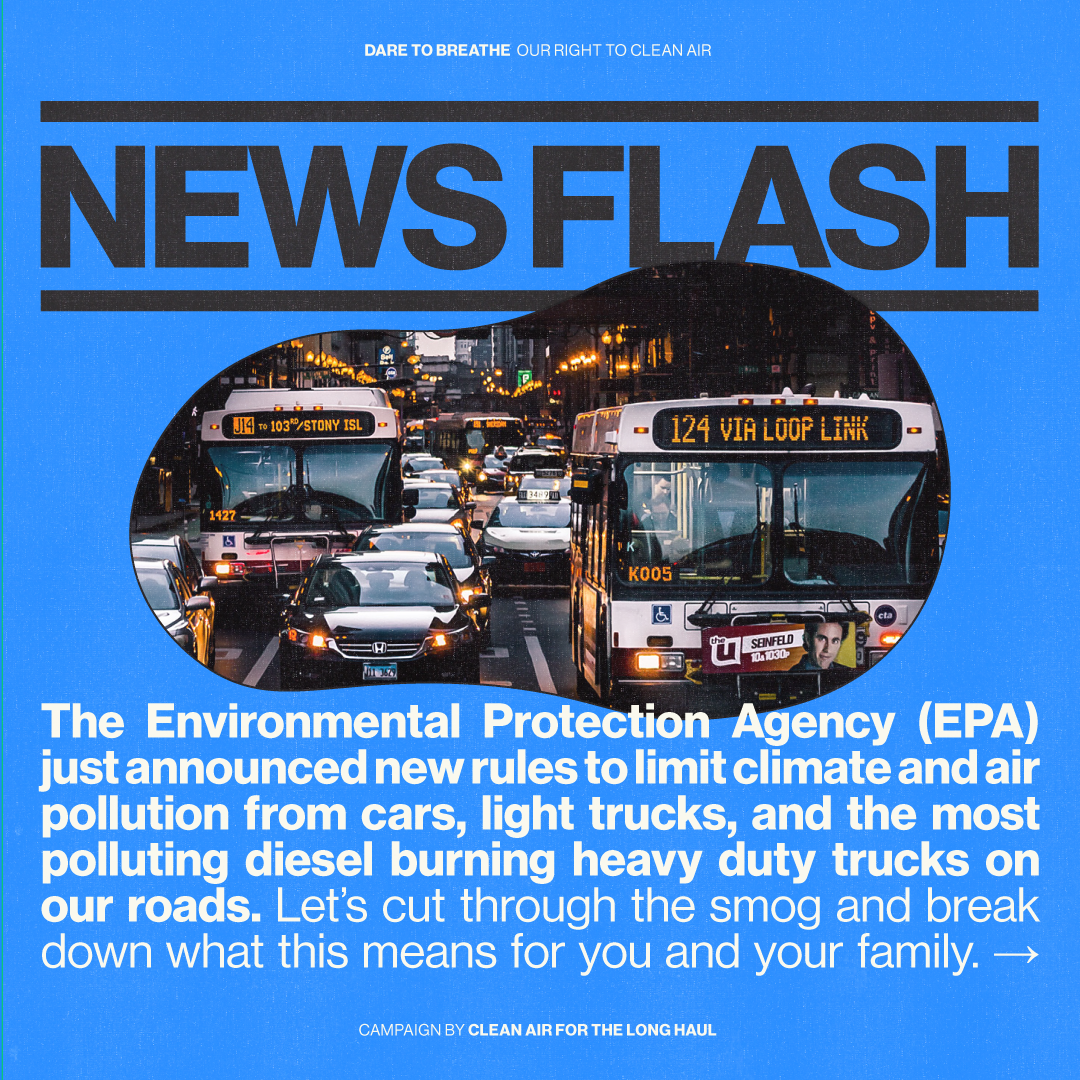
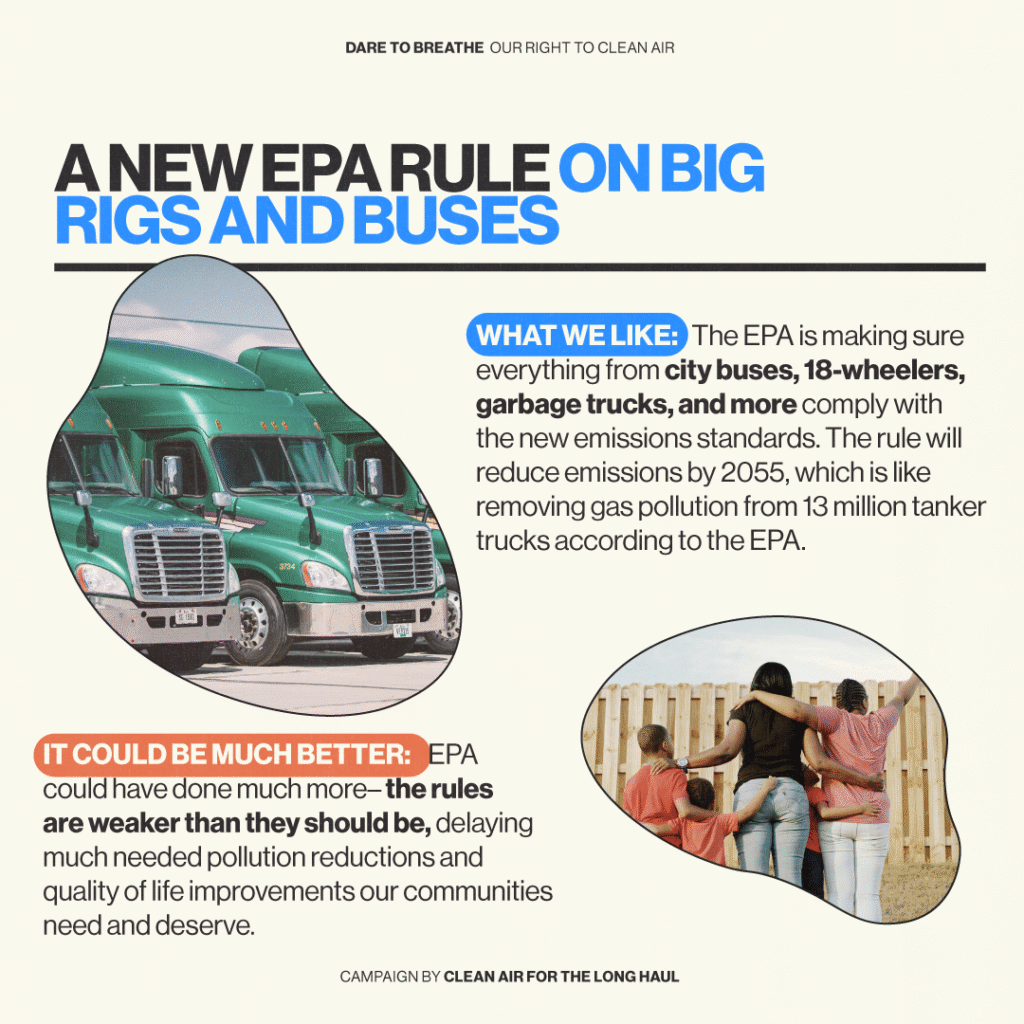
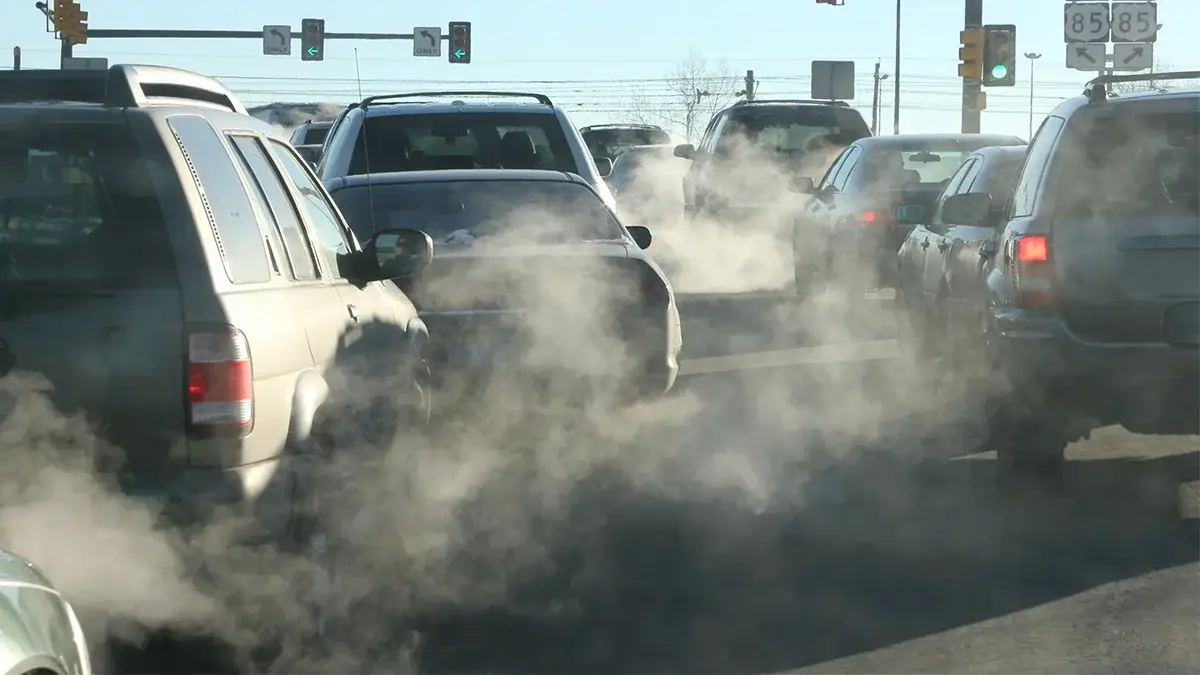
Transportation is the largest source of climate pollution in the United States. Trucks and buses are just over 10 percent on the road, but produce more than 50 percent of soot and ozone pollution of all on-road vehicles. While cars and pickup trucks account for 11 percent of U.S. emissions of smog forming nitrogen oxides and 1 percent of fine particulates.This has caused generations – especially those in communities of color and low-income who often live near highways, ports and distribution centers – to suffer with asthma, heart and lung disease, cancer, and even death.
We worked hard to advance stronger vehicle pollution standards, including rigorous new tailpipe emissions rules for carbon dioxide, smog-forming nitrogen oxide, and other pollution for passenger vehicles and heavy-duty trucks.
The Trump administration’s EPA is gutting these advancements and giving polluters free reign to harm our health and futures. We’re pushing back and fighting to ensure that communities overburdened by transportation pollution and negatively impacted by climate change are protected.
Sources & Impacts
POWER PLANTS
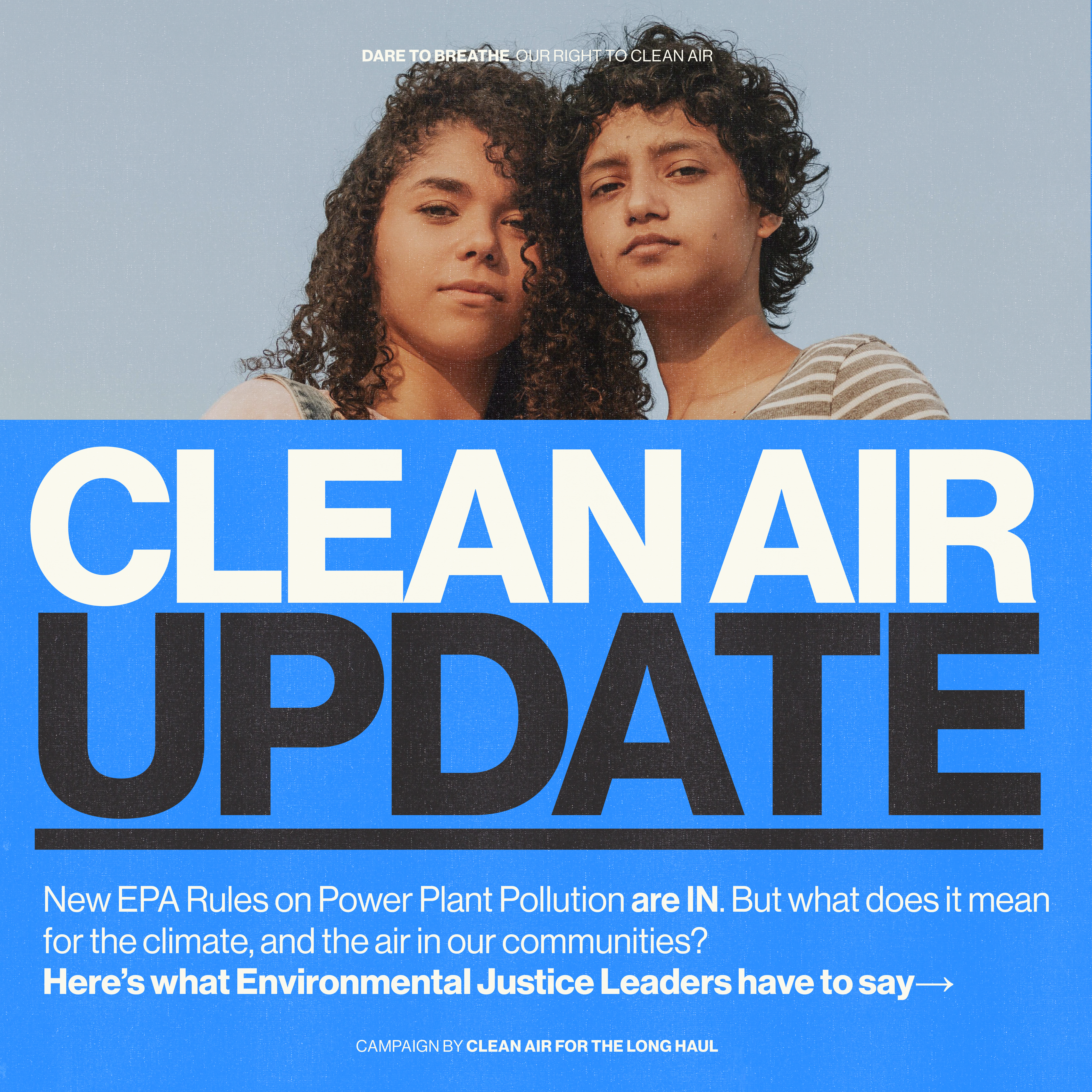
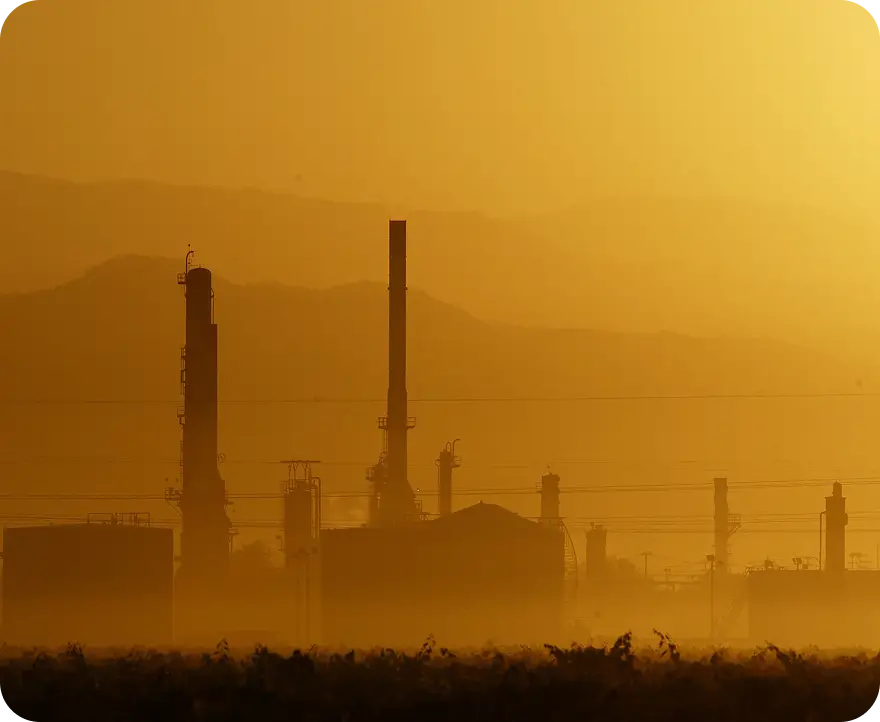
Burning fossil fuels like coal and gas at power plants emits harmful air pollutants like nitrogen oxides, sulfur dioxide, particulate matter, and mercury, among others. Fossil fired power plants are also the second largest source of climate pollution in the U.S. fueling the climate crisis. According to the EPA’s own analysis, many power plants are located near communities with higher percentages of people of color and extreme levels of poverty. For decades, our communities have been disproportionately exposed to toxic pollution, causing elevated rates of adverse health impacts, including from respiratory and heart illness, cancer, and premature death.
Since 2022, we have engaged in the EPA rulemaking process, pushing for and winning standards that cut soot, ozone, carbon,and mercury pollution from power plants and protect public health, especially for environmental justice communities. Under the current administration, many of these environmental protections are at risk of being weakened or reversed, allowing polluters to harm our health and undermine climate progress. We need to transition to clean, renewable, affordable energy today and will continue to push the EPA to do its job to protect human health and the environment.
Sources & Impacts
OIL & GAS OPERATIONS
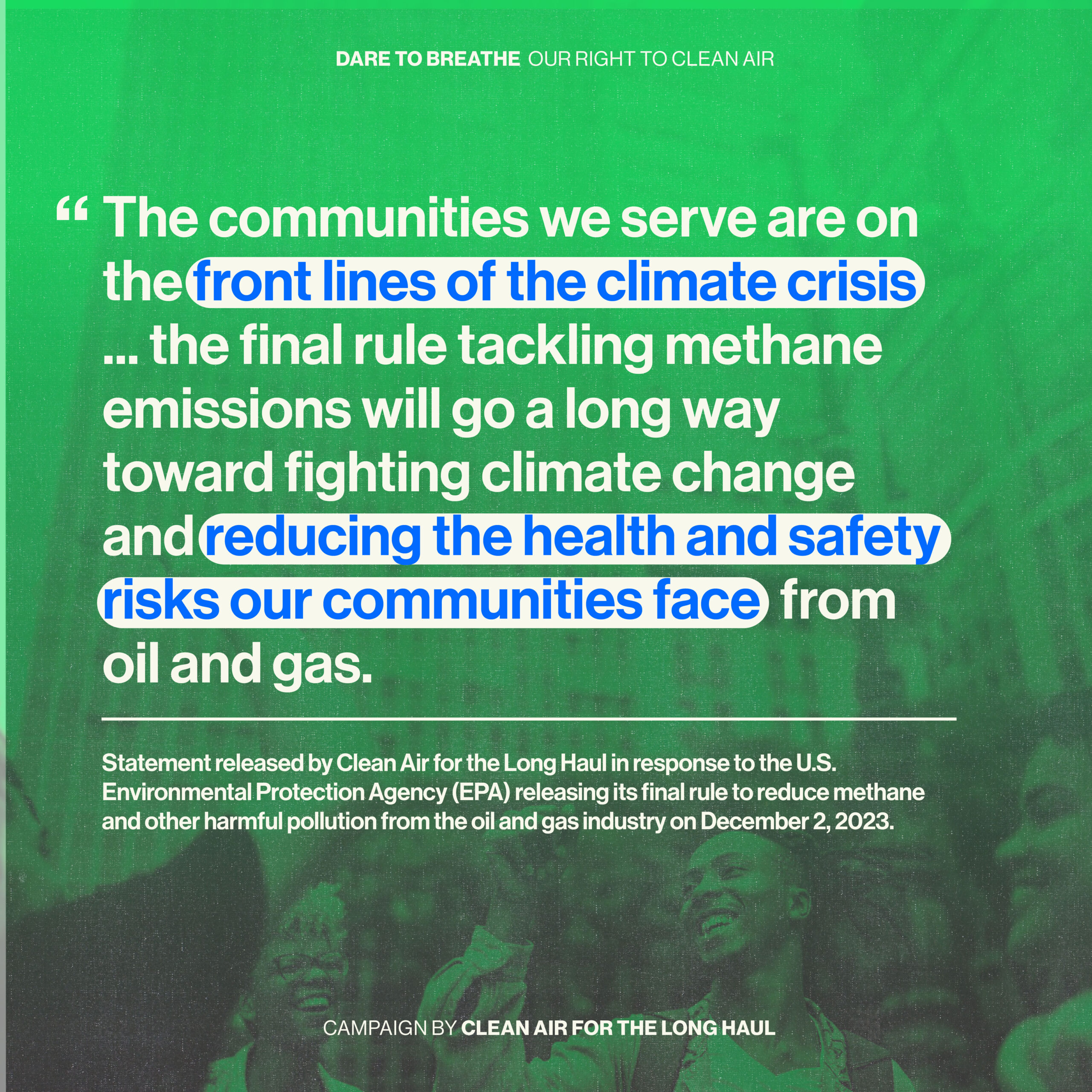
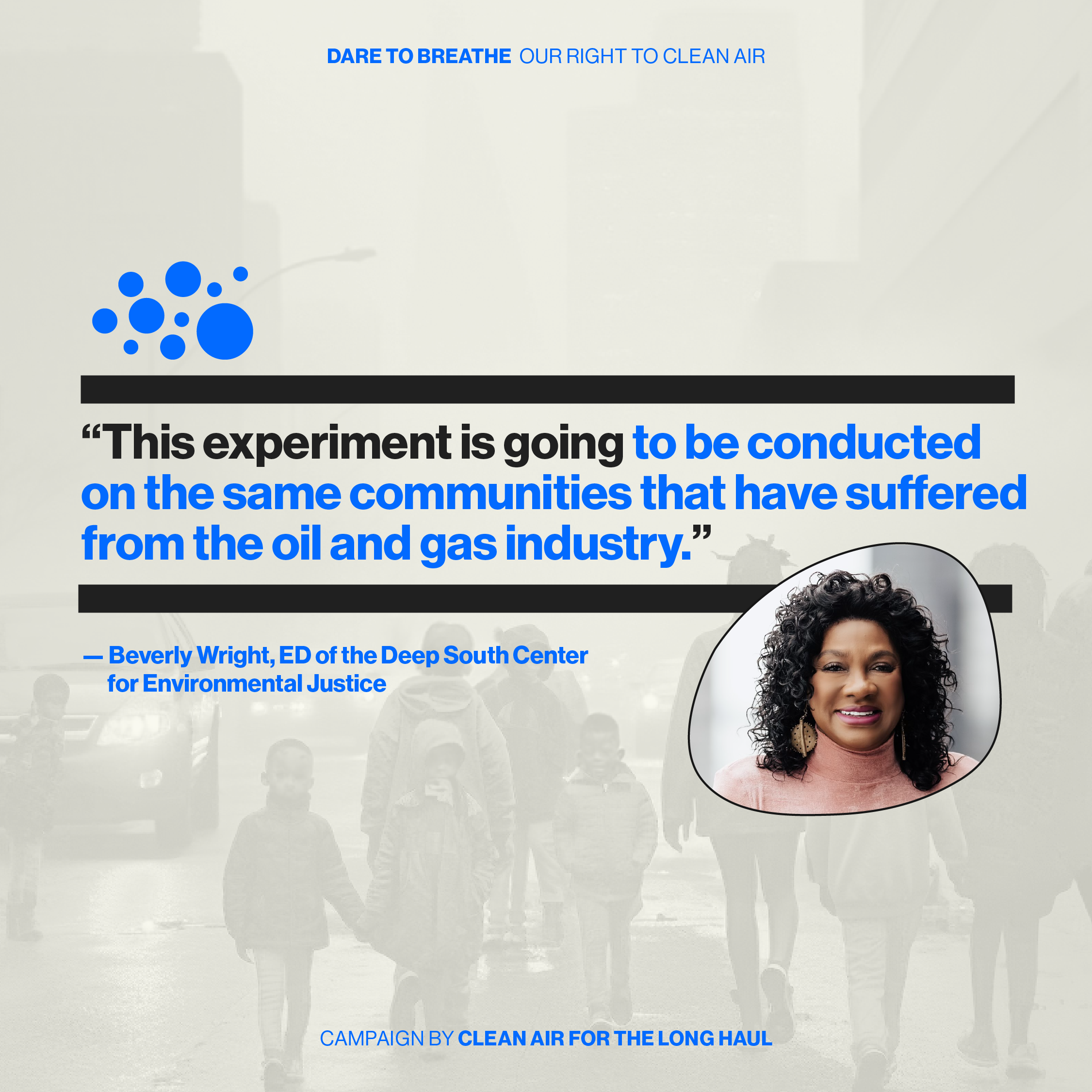
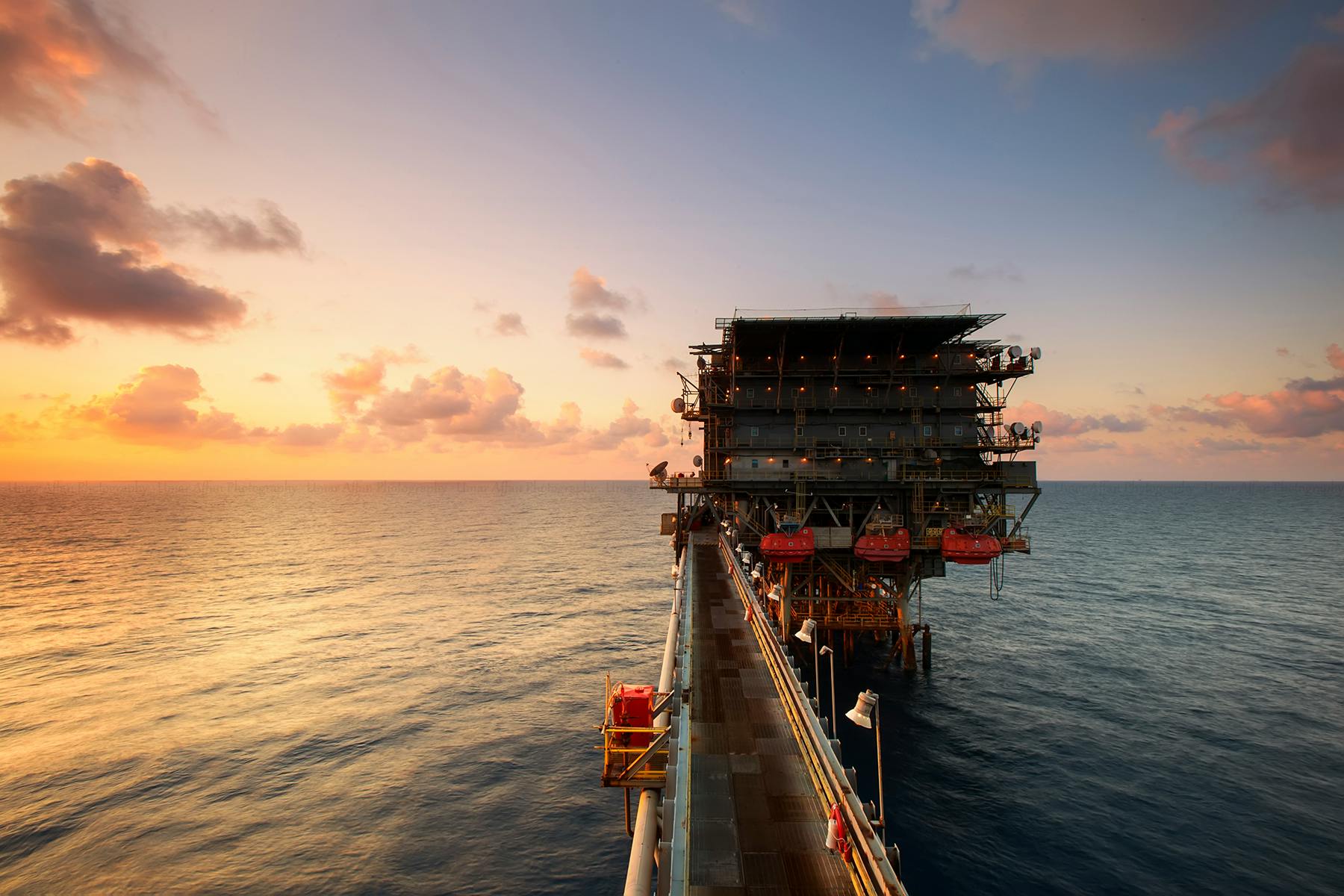
Through leaks, venting, and flaring during extraction and transportation, oil and gas operations are a significant source of methane, a powerful greenhouse gas that is responsible for at least one-quarter of the warming we experience today. Hazardous and harmful air pollutants such as benzene, toluene, formaldehyde are also released alongside methane emissions, which cause ground level ozone and are linked to cancer, brain damage, reproductive harms, asthma, respiratory illness, heart disease, and premature death. Black, Latino, Indigenous, and low-income families live closest to oil and gas infrastructure, work in the most climate-exposed jobs, and suffer the harshest health harms from methane and its co-pollutants.
That is why we advocated for stringent, health protective standards that would curb methane and other toxic air pollutants from oil and gas operations, including holding the largest offenders accountable. Now, the Trump EPA is seeking to postpone compliance deadlines and delays climate action and much needed improvements for frontline and fenceline communities. We will hold the line and ensure that polluters are held accountable and our communities are protected.
DARE TO SHARE
Click on the images below to view in hi-res, then right-click to download and share.