
OUR RESOURCES
We are not just statistics, but people living through the unprecedented harm caused by this pollution that jeopardizes the health of our families and neighborhoods every single day. The EPA is required to address these threats and uphold its responsibility to protect us. Learn more by exploring our resources and spreading the word!
STORYMAPS
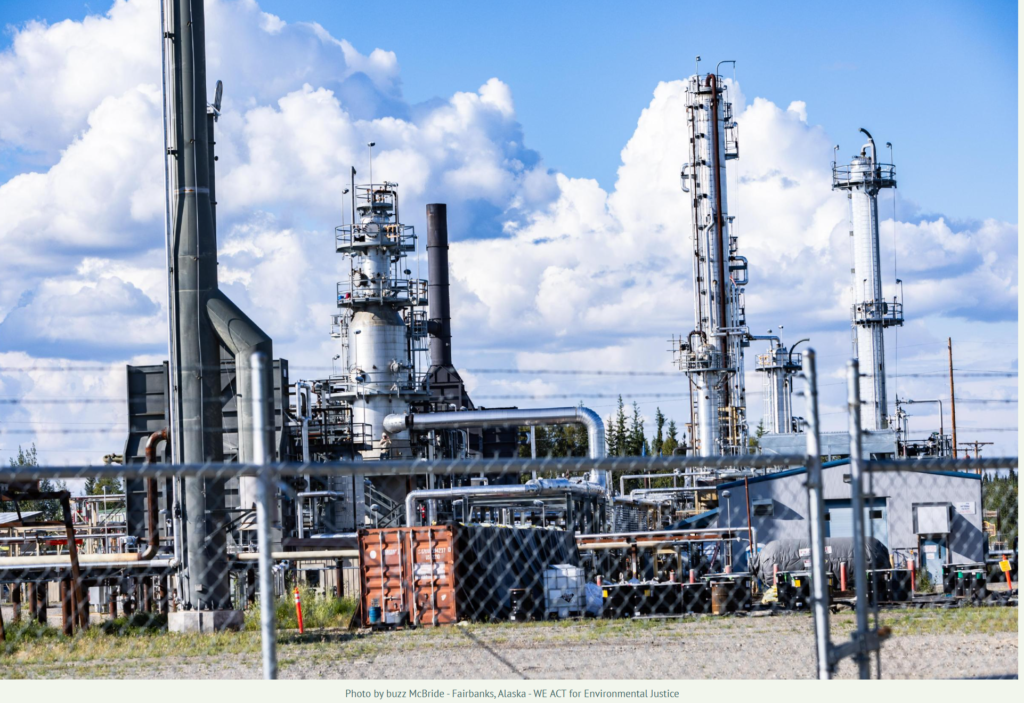
The Unjust and Precarious Future of Gas Power Plants
Gas Power Plants Are an Environmental Justice Concern: AI and Lack of Regulation Could Make it Much Worse.
Clean Air & Environmental Justice
Learn more about the intersection of clean air, public health, and environmental justice!
ADVOCACY ACTIONS
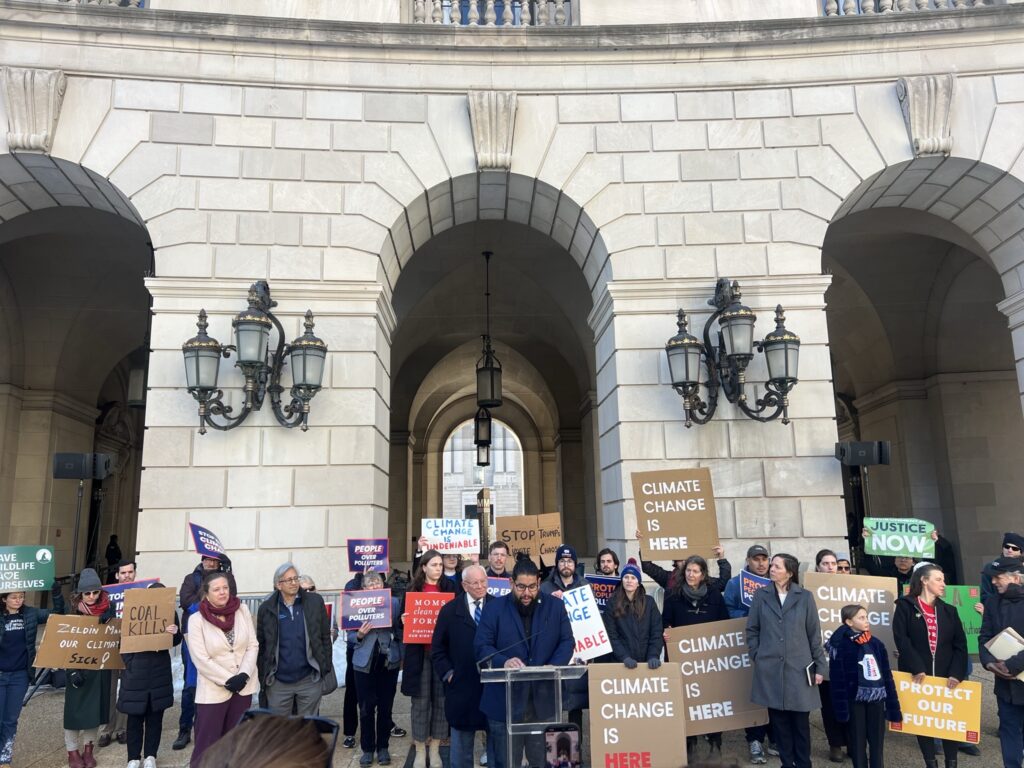
PUBLIC COMMENTS & ADVOCACY
Environmental Justice Advocates Share Public Comments Pushing Back Against Light Duty Vehicle Pollution Standards Delay
Clean air is a fundamental right of ALL communities across this country. We deserve a full and transparent rulemaking process, one that includes robust public participation and thorough environmental justice and health analyses that reflects the gravity of the pollution burdens at stake. We deserve life-saving, health-protective vehicle emissions standards that are implemented and enforced on time, with industry held accountable for noncompliance. The Clean Air for the Long Haul urges the EPA to withdraw this proposal and allow the Tier 4 vehicle standards to take effect on schedule beginning with model year 2027.
Environmental Justice Advocates Share Public Comments Decrying Trump’s EPA Latest Rollback of Mercury and Air Toxics Protections
We urge the EPA to change course. The Agency must maintain and even strengthen the mercury and air toxics standards to reduce hazardous air pollutants from fossil-fuel power plants. This proposed rollback of this rule—alongside other critical regulations like the greenhouse gas standards for fossil-fuel power plants, vehicle emissions standards, and even threats to the Endangerment Finding—poses serious harm to environmental justice communities, who already face cumulative pollution burdens from multiple major sources. We will continue to hold the EPA accountable to its mission of protecting human health and the environment to keep our communities safe and preserve our future.
100 Orgs & Individuals with Environmental Justice Networks Say to EPA: Revoking Endangerment Finding Puts All Our Communities in Danger
The response to the Environmental Protection Agency (EPA) seeking to remove the Endangerment Finding and revoke vehicle emissions regulations, a coalition of environmental justice networks submitted written comments – signed by 100 organizations and individuals – alongside a powerful collection of testimonies that capture the real-world impacts of climate and transportation pollution and frontline and fenceline communities’ need for robust protections.
“Friend of the Court” Amicus Brief Filed Supporting Stronger Soot Pollution Standards
Members of the national environmental justice cohort, ‘Clean Air for the Long Haul’ alongside groups—Community Health Aligning Revitalization, Resistance & Sustainability (CHARRS), Greater-Birmingham Alliance to Stop Pollution (GASP), and the Southern Environmental Law Center (SELC)— filed a “friend of the court” brief (called an “amicus” brief) in the U.S. Court of Appeals for the District of Columbia Circuit in support of the U.S. Environmental Protection Agency’s national ambient air quality standard for fine particulate matter, or soot.
140 Orgs Support Public Comment Opposing EPA’s Proposed Repeal and weakening of the Greenhouse Gas Reporting Program (GHGRP).
This public comment opposes the EPA’s proposal which represents a severe rollback on environmental transparency and the public’s right to know. It would obscure emissions and pollution data that every community depends on to protect their health, undermine accountability of the fossil fuel industry, and erode decades of climate progress.
RESEARCH, DATA , & TOOLS
research & tools
American Lung Association State of the Air 2026
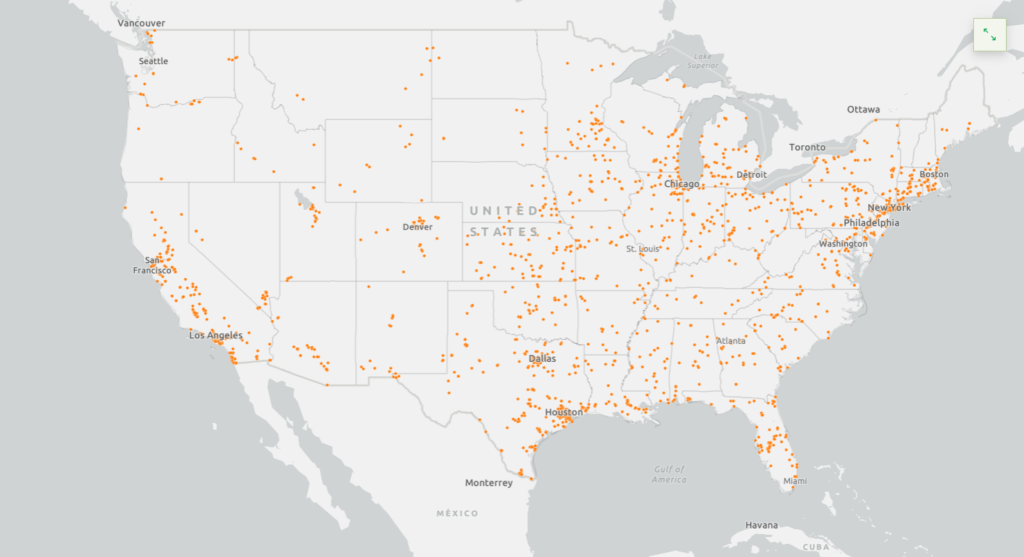
The “State of the Air” 2026 report finds that even after decades of successful efforts to reduce sources of air pollution, 44% of Americans—152.3 million people—are living in places that get failing grades for unhealthy levels of ozone or particle pollution. A person of color is almost three times as likely as a white individual to live in a community with a failing grade for all graded pollution measures. Hispanic individuals are more than three times as likely.
Environmental Protection Network Breathing Easy Report
Environmental Protection Network (EPN), an association of 650 former Environmental Protection Agency (EPA) staff who volunteer their time to support EPA’s mission, analyzed sixteen major EPA air pollution rule updates issued from 2021 to 2024. Based on data published by EPA for these rules, EPN concludes how the air pollution reductions from smokestacks, tailpipes, and pipelines will impact health.
Eliminating air pollution disparities requires more than emission reduction
In the United States, people of color are disproportionately and unjustly exposed to air pollution. Historically, environmental policy has emphasized aggregate emission reductions, yet major emission reduction scenarios do not sufficiently mitigate relative exposure disparities. Here, we show that without focusing on relative disparity (percent difference) in exposure, the only way to improve air quality and eliminate absolute exposure disparity is to eliminate all emissions (an unlikely outcome).
State of the Air 2025 Report in Michigan and Wisconsin
In this year’s report, both Wisconsin and Michigan saw declines in air quality, with many counties in each state receiving failing grades. Detroit and Milwaukee stood out at two of the most impacted metro areas in the Midwest, both facing significant challenges with ozone and particle pollution.
Community Led Roadmap to Zero Emissions
This report presents a community-driven model for transitioning medium- and heavy-duty vehicles to zero-emission alternatives. By combining local community data collection, energy modeling, and policy analysis, we show how electrification can cut harmful emissions, reduce healthcare costs, and create economic opportunities.